

Friday, July 09, 2010


Monday, July 05, 2010
The Last Two Decades of the Philippine Cinema
This essay has been tweaked for this blog post. There are additional information and opinion that are not present on the paper I've passed on class.
NO REPRINTING WITHOUT PERMISSION.
***
The Last Two Decades of the Philippine Cinema
A Paper on Film 280 Class in UPD
The 1980s has whipped about 1,427 films. The 1990s saw a decline with 1,366 films produced. (Carreon, October 2005) It may be just a small amount of difference, but it was a vision of the things to come in the industry in the succeeding decade.
The film industry was beset with a couple of problems in the ‘90s that until this very time is challenging. For one thing, there was heavy taxation on film productions along with exorbitant talent fees of superstars. Given that the industry was star-based that time, producers were at the mercy of such superstars, most of the budget being allotted to them.
Eddie Romero (National Artist for Film) explained that film, since its invention, has belonged to the so-called “non-essential enterprise”. (Carreon, November 2005) Thus, it is only seen by the government as money-making opportunity, gaining one-third of the shared film’s profit. The other third goes to the theater owners who don’t do much in the promotion of the film, but nonetheless get an equal shared profit. The last third goes to the producers.
Secondly, there was severe MTRCB censorship under the watchful eyes of Etta Mendez-Manoling Morato, which dictated what and which scenes in the film to be shown in public depending on what they deemed as immoral and objectionable, regardless of the content the scene had come about. Their vicious ways even reached Hollywood when they try to cut some scenes of the Oscar-nominated films in 1993 (“Schindler’s List” & “The Piano”) and in 1995 (“The Bridges of Madison County”). The films’ makers raised their objections, opting for non-showing here than butchering. Protests from the concerned industry ensued. The government approved the films’ release. Crusades against MTRCB continued, making the industry proposed its abolition. But until now, it exists. It may have already put its scissors down, but it made the producers themselves to do their own cutting upon its suggestions. Not abiding by such would guarantee an X rating that is tantamount to non-showing in theaters. Therefore, causing the producers give in to its will.
Philippine movies also had to deal with competition from Hollywood films. Dealing with economic crisis, audiences was forced to choose between seeing a technically-polished Hollywood film and a Philippine release. There was a battle against Hollywood’s new or redressed plots and Philippine’s formulaic and safe story lines. Given that colonial mentality still pervades most of our senses, there is an inclination towards Hollywood films rather than our own.
The clamor for something fresh and ground-breaking did not go unnoticed to producers. They knew that we were not yet ready to compete with Hollywood’s big-budget release and wider audience, so they tried different ways in dealing with the situation.
In 1990, Lino Brocka’s (National Artist for Film) “Macho Dancer” made it to the Toronto Film Festival which became the first Filipino film to make it big there. It paved the way to the international video release, and made the world known about the existence of remarkable directors, writers, and actors in the Philippines. It also jump started films of such kind that shows “the sensitivity of human relationships through a Filipino perspective,” (Macaro, October 2005) which, incidentally, also made the rounds in different international film festivals like Mel Chionglo’s “Sibak” (1995) and “Burlesk King” (1997). Such films started a trend with movies that we send abroad—gay-themed and poverty-centered.
Armida Siguion-Reyna, a prominent fixture in the industry and a remarkable advocate of the cinema established Reyna Films that aimed to bring quality filmmaking. She also made sure to make them commercially viable. Indeed, she succeeded. Her first venture, “Hihintayin Kita Sa Langit” (1991), has garnered commercial and critical recognition. She may have lost a number of audiences as years went by, but the unrelenting quality of her films remained the same until her last production packed up in 2000 via “Azucena.” (Tiongson, 2010)


“Hihintayin Kita Sa Langit” starred Richard Gomez and Dawn Zulueta, then a celebrated couple on and off screen. They made a great deal of film contributions in the ‘90s by starring in a number of significantly recognized films, winning acting or technical awards every now and then. Richard was a huge ‘90’s star who started as a bit player in “Inday Bote” (1985) and became a multi-awarded dramatic actor and paired with the likes of the best actresses of the decade.
Aga Muhlach made a comeback, taking second fiddle to Richard, until he became a much-sought leading man. In time he garnered accolades for his portrayals.
 To encourage the making of quality films, Manila Film Festival was revived. However, most of its releases were considered disappointments rather than achievements especially in 1994 when the so-called “switching scam” happened during the awards night. Lolit Solis replaced the winning ballots to favor the wins of “Loretta” stars, Ruffa Gutierrez and Gabby Concepcion. Then Manila mayor, Alfredo Lim, exposed the cheating and created uproar in the industry that eventually led Gabby into leaving the country. Lolit confessed while Ruffa and Gabby denied their participation.
In 1993 Star Cinema launched its initial offering, “Adan Ronquillo”, co-producing with Regal Films. From then on they become the industry’s leading film producer, taking most number of the box-office successes and releasing the most number of films every year. They launched Claudine Barretto into stardom and skyrocketed Judy Ann Santos’s career. Today Juday leads her contemporaries in terms of the products she delivers on screen. Under its wing is Piolo Pascual as its top leading man in the late ‘90s to early 00’s. John Lloyd Cruz took the seat in the last few years of ‘00s.
 Star Cinema released “May Minamahal” in 1993 under the helm of writer Jose Javier Reyes. Joey had changed the landscape of movie writing by having his characters speak in their colloquial, almost street-smart language. With that, flowery words and almost rhythmic dialogues that are very distinct in the ‘80s were eliminated. Movie dialogues had never been the same since then. Moreso, it started the romcom template that gave way to other successful films of such kind.
NO REPRINTING WITHOUT PERMISSION.
***
The Last Two Decades of the Philippine Cinema
A Paper on Film 280 Class in UPD
The 1980s has whipped about 1,427 films. The 1990s saw a decline with 1,366 films produced. (Carreon, October 2005) It may be just a small amount of difference, but it was a vision of the things to come in the industry in the succeeding decade.
The film industry was beset with a couple of problems in the ‘90s that until this very time is challenging. For one thing, there was heavy taxation on film productions along with exorbitant talent fees of superstars. Given that the industry was star-based that time, producers were at the mercy of such superstars, most of the budget being allotted to them.
Eddie Romero (National Artist for Film) explained that film, since its invention, has belonged to the so-called “non-essential enterprise”. (Carreon, November 2005) Thus, it is only seen by the government as money-making opportunity, gaining one-third of the shared film’s profit. The other third goes to the theater owners who don’t do much in the promotion of the film, but nonetheless get an equal shared profit. The last third goes to the producers.
Secondly, there was severe MTRCB censorship under the watchful eyes of Etta Mendez-Manoling Morato, which dictated what and which scenes in the film to be shown in public depending on what they deemed as immoral and objectionable, regardless of the content the scene had come about. Their vicious ways even reached Hollywood when they try to cut some scenes of the Oscar-nominated films in 1993 (“Schindler’s List” & “The Piano”) and in 1995 (“The Bridges of Madison County”). The films’ makers raised their objections, opting for non-showing here than butchering. Protests from the concerned industry ensued. The government approved the films’ release. Crusades against MTRCB continued, making the industry proposed its abolition. But until now, it exists. It may have already put its scissors down, but it made the producers themselves to do their own cutting upon its suggestions. Not abiding by such would guarantee an X rating that is tantamount to non-showing in theaters. Therefore, causing the producers give in to its will.
Philippine movies also had to deal with competition from Hollywood films. Dealing with economic crisis, audiences was forced to choose between seeing a technically-polished Hollywood film and a Philippine release. There was a battle against Hollywood’s new or redressed plots and Philippine’s formulaic and safe story lines. Given that colonial mentality still pervades most of our senses, there is an inclination towards Hollywood films rather than our own.
The clamor for something fresh and ground-breaking did not go unnoticed to producers. They knew that we were not yet ready to compete with Hollywood’s big-budget release and wider audience, so they tried different ways in dealing with the situation.
In 1990, Lino Brocka’s (National Artist for Film) “Macho Dancer” made it to the Toronto Film Festival which became the first Filipino film to make it big there. It paved the way to the international video release, and made the world known about the existence of remarkable directors, writers, and actors in the Philippines. It also jump started films of such kind that shows “the sensitivity of human relationships through a Filipino perspective,” (Macaro, October 2005) which, incidentally, also made the rounds in different international film festivals like Mel Chionglo’s “Sibak” (1995) and “Burlesk King” (1997). Such films started a trend with movies that we send abroad—gay-themed and poverty-centered.
Armida Siguion-Reyna, a prominent fixture in the industry and a remarkable advocate of the cinema established Reyna Films that aimed to bring quality filmmaking. She also made sure to make them commercially viable. Indeed, she succeeded. Her first venture, “Hihintayin Kita Sa Langit” (1991), has garnered commercial and critical recognition. She may have lost a number of audiences as years went by, but the unrelenting quality of her films remained the same until her last production packed up in 2000 via “Azucena.” (Tiongson, 2010)


“Hihintayin Kita Sa Langit” starred Richard Gomez and Dawn Zulueta, then a celebrated couple on and off screen. They made a great deal of film contributions in the ‘90s by starring in a number of significantly recognized films, winning acting or technical awards every now and then. Richard was a huge ‘90’s star who started as a bit player in “Inday Bote” (1985) and became a multi-awarded dramatic actor and paired with the likes of the best actresses of the decade.
Aga Muhlach made a comeback, taking second fiddle to Richard, until he became a much-sought leading man. In time he garnered accolades for his portrayals.
 To encourage the making of quality films, Manila Film Festival was revived. However, most of its releases were considered disappointments rather than achievements especially in 1994 when the so-called “switching scam” happened during the awards night. Lolit Solis replaced the winning ballots to favor the wins of “Loretta” stars, Ruffa Gutierrez and Gabby Concepcion. Then Manila mayor, Alfredo Lim, exposed the cheating and created uproar in the industry that eventually led Gabby into leaving the country. Lolit confessed while Ruffa and Gabby denied their participation.
In 1993 Star Cinema launched its initial offering, “Adan Ronquillo”, co-producing with Regal Films. From then on they become the industry’s leading film producer, taking most number of the box-office successes and releasing the most number of films every year. They launched Claudine Barretto into stardom and skyrocketed Judy Ann Santos’s career. Today Juday leads her contemporaries in terms of the products she delivers on screen. Under its wing is Piolo Pascual as its top leading man in the late ‘90s to early 00’s. John Lloyd Cruz took the seat in the last few years of ‘00s.
 Star Cinema released “May Minamahal” in 1993 under the helm of writer Jose Javier Reyes. Joey had changed the landscape of movie writing by having his characters speak in their colloquial, almost street-smart language. With that, flowery words and almost rhythmic dialogues that are very distinct in the ‘80s were eliminated. Movie dialogues had never been the same since then. Moreso, it started the romcom template that gave way to other successful films of such kind.
 In 2001 Joey made “Live Show” which created pandemonium within the government and church which deemed it pornographic. It was heavily-censored upon its release.
 The need for new story materials never ceased. As a result, Carlo J. Caparas ventured into turning sensationalized crime stories to movies. His first film was “The Visconde Massacre” (1993), starring Kris Aquino. It was such a hit that in the following year, another version of the film spawned, and a series of different massacre films came thereafter. It was a box-office magnet that even the industry’s major players jumped-in like Vilma Santos and Sharon Cuneta. Soon enough the interest in such exploitative films dwindled and box-office returns diminished.
Another exploitative film had come about: ST (Sex Trip) Films in the early-mid ‘90s. It was later reborn as TF (Titillating Films) in the late ‘90s-early ‘00s. With Armida Siguion-Reyna heading the MTRCB that time during the late ‘90s, the Board became lenient. It was still governed by laws, but there was also quite a freedom experienced by the producers.
Seiko Films had led the way in coming up with ST Films. It catapulted ‘80s teen star, Gretchen Barretto, into fame by shedding her clothes onscreen, and she pretty much dominated the whole genre until Rosanna Roces entered the picture through TF. Rosanna became a legitimate actress when she did “Ligaya Ang Itawag Mo Sa Akin” (1997) for Reyna Films which also experienced the pangs of MTRCB during its release.
 Regal Films, on the other hand, lowered productions costs by means of “pito-pito films” (films made in a 7-day/24-hr period) just to get by and make releases every now and then. Mother Lily had made a handful of movies in different genres under such banner which mostly suffered in quality. “Babae Sa Bubungang Lata” (Mario O’Hara, 1998) and “Tuhog” (Jeffrey Jeturian, 2001) were the two outstanding films to ever come out of this genre gaining international recognitions. (Manila Bulletin, 2008)
GMA Films had also ventured into filmmaking. They produced the highly-acclaimed “Jose Rizal” (Marilou Diaz-Abaya) in 1998 in line with the Philippines’ Centennial Celebration of freedom. They made other highly-regarded films in the next years that came, but had lost their momentum after.
By early 2000s, Philippine Cinema was said to be sick and dying. Filmmakers were alarmed and tried producing “quality” films. However, no matter how great the releases were, people were staying away from theaters. This is because film digital piracy appeared. Audience was inclined to watch movies more in their homes rather than cinemas, be it Hollywood or Pinoy. The PhP40 cost of pirated video goes against a hundred-ticket price. Aside from that, the price of going to the cinema costs more than it appears to be—jeepney/bus fares to the mall, food/snack fee, and exertion of time and effort. So families who can’t afford such luxury would opt for a cheap copy of the film rather than go through the rounds of a true cinema experience. With that, cinema has become an indulgence rather than a cheap entertainment for the masses.
TV has also become larger than the screen. More people are watching TV than cinemas. Even big movie stars relegate themselves into doing more TV projects than movies for it pays higher. Though they have reduced their rates, there are not enough producers making movies.
 With such distractions, films vie for audience’s attention to lure them back into theaters in terms of plots and grandiose productions that are sometimes set abroad (OFW stories like those of “Anak” (Rory B. Quintos, 2000), “Milan” (Olivia Lamasan, 2004), and “Caregiver” (Chito Roño, 2008) or use digital enhancements not seen on TV (movies of superhero or fantasy genre). Thus, movie-producing becomes more expensive than ever.
In 2003 the first digital film was produced and released in theaters, “Duda” by Cris Pablo. It was a gay film with minimal budget, but had tremendous gains. Independent cinema was born out of it, and indie films have sprouted like mushrooms, producing more films than major studios combined.
The Bomba exploitation movies in the ‘60s, Bold in the ‘70s, Pene in the ‘80s, and ST-TF in the ‘90s resurface under the guise of gay movies dealing mostly with gay sex. The industry has seen the importance of the gay population in achieving monetary gains for their films.
Despite such films, a rise in local film festivals came subsequently, persuading aspiring filmmakers to make quality films by financing it and giving them incentives. Two of these are Cinemalaya in 2004 and Cinema One Originals in 2005 that aim to generate stories that are not so familiar in our mainstream consciousness yet equally appealing and noteworthy to tell.


There was also a surge of international fame and recognition for our films. Brillante Mendoza’s “Serbis” (2007) is the first Filipino full-length film to ever compete at the Cannes Film Festival since Brocka’s “Bayan Ko: Kapit Sa Patalim” (1984) made it there. In 2009 Mendoza won Best Director for “Kinatay” at the same festival where he received both approving remarks and off-putting gestures.
 Other noteworthy filmmakers making the rounds abroad are Jeturian with “Kubrador” (2007); Maryo J. delos Reyes’s “Magnifico” (2003), won the Jury Prize at the Berlin International Film Festival; Aureaus Solito’s “Ang Pagdadalaga Ni Maximo Oliveros” (2005) garnered applauses and trophies abroad, and is the highly-successful digital film at the box-office; Pepe Diokno’s “Engkwentro” (2009) won the Venice Film Festival’s Horizons Prize and Lion of the Future Award For Debut Film; amongst others.
 In 2009 an independent production called Spring Films led by Piolo Pascual released the breakthough hit, “Kimmy Dora” (Joyce Bernal, 2009). It was the production’s first movie and an unexpected box-office success at that. It was an independent production yet devoid of an “indie” feel to it. It had mainstream cinema written all over it. It was a comedy that was different from the usual comedies the country had produced—witty and could be slapstick at times without insulting the intelligence of its viewers.
Obviously, it is the audience’s cry for new “mainstream” material. A plea to producers for new dishes. Throughout the years, Pinoy audience has grown. They may be inclined to give in to what is presented to them, but breaks out when something does not work for them.
The Philippine Cinema as of these days is thriving and holding its ground firmly. It may not be as flourishing as it was in the ‘50s and ‘70s, but it is making its mark in the ever-changing industry of the world. It may not be able to run up against Hollywood’s technicalities, but the stories and lives are bigger than ever. It is sick and the curing continues. So long as the love and appreciation of it never falters, it will never die! Not in the hands of those who care for it deeply and honestly.
 The need for new story materials never ceased. As a result, Carlo J. Caparas ventured into turning sensationalized crime stories to movies. His first film was “The Visconde Massacre” (1993), starring Kris Aquino. It was such a hit that in the following year, another version of the film spawned, and a series of different massacre films came thereafter. It was a box-office magnet that even the industry’s major players jumped-in like Vilma Santos and Sharon Cuneta. Soon enough the interest in such exploitative films dwindled and box-office returns diminished.
Another exploitative film had come about: ST (Sex Trip) Films in the early-mid ‘90s. It was later reborn as TF (Titillating Films) in the late ‘90s-early ‘00s. With Armida Siguion-Reyna heading the MTRCB that time during the late ‘90s, the Board became lenient. It was still governed by laws, but there was also quite a freedom experienced by the producers.
Seiko Films had led the way in coming up with ST Films. It catapulted ‘80s teen star, Gretchen Barretto, into fame by shedding her clothes onscreen, and she pretty much dominated the whole genre until Rosanna Roces entered the picture through TF. Rosanna became a legitimate actress when she did “Ligaya Ang Itawag Mo Sa Akin” (1997) for Reyna Films which also experienced the pangs of MTRCB during its release.
 Regal Films, on the other hand, lowered productions costs by means of “pito-pito films” (films made in a 7-day/24-hr period) just to get by and make releases every now and then. Mother Lily had made a handful of movies in different genres under such banner which mostly suffered in quality. “Babae Sa Bubungang Lata” (Mario O’Hara, 1998) and “Tuhog” (Jeffrey Jeturian, 2001) were the two outstanding films to ever come out of this genre gaining international recognitions. (Manila Bulletin, 2008)
GMA Films had also ventured into filmmaking. They produced the highly-acclaimed “Jose Rizal” (Marilou Diaz-Abaya) in 1998 in line with the Philippines’ Centennial Celebration of freedom. They made other highly-regarded films in the next years that came, but had lost their momentum after.
By early 2000s, Philippine Cinema was said to be sick and dying. Filmmakers were alarmed and tried producing “quality” films. However, no matter how great the releases were, people were staying away from theaters. This is because film digital piracy appeared. Audience was inclined to watch movies more in their homes rather than cinemas, be it Hollywood or Pinoy. The PhP40 cost of pirated video goes against a hundred-ticket price. Aside from that, the price of going to the cinema costs more than it appears to be—jeepney/bus fares to the mall, food/snack fee, and exertion of time and effort. So families who can’t afford such luxury would opt for a cheap copy of the film rather than go through the rounds of a true cinema experience. With that, cinema has become an indulgence rather than a cheap entertainment for the masses.
TV has also become larger than the screen. More people are watching TV than cinemas. Even big movie stars relegate themselves into doing more TV projects than movies for it pays higher. Though they have reduced their rates, there are not enough producers making movies.
 With such distractions, films vie for audience’s attention to lure them back into theaters in terms of plots and grandiose productions that are sometimes set abroad (OFW stories like those of “Anak” (Rory B. Quintos, 2000), “Milan” (Olivia Lamasan, 2004), and “Caregiver” (Chito Roño, 2008) or use digital enhancements not seen on TV (movies of superhero or fantasy genre). Thus, movie-producing becomes more expensive than ever.
In 2003 the first digital film was produced and released in theaters, “Duda” by Cris Pablo. It was a gay film with minimal budget, but had tremendous gains. Independent cinema was born out of it, and indie films have sprouted like mushrooms, producing more films than major studios combined.
The Bomba exploitation movies in the ‘60s, Bold in the ‘70s, Pene in the ‘80s, and ST-TF in the ‘90s resurface under the guise of gay movies dealing mostly with gay sex. The industry has seen the importance of the gay population in achieving monetary gains for their films.
Despite such films, a rise in local film festivals came subsequently, persuading aspiring filmmakers to make quality films by financing it and giving them incentives. Two of these are Cinemalaya in 2004 and Cinema One Originals in 2005 that aim to generate stories that are not so familiar in our mainstream consciousness yet equally appealing and noteworthy to tell.


There was also a surge of international fame and recognition for our films. Brillante Mendoza’s “Serbis” (2007) is the first Filipino full-length film to ever compete at the Cannes Film Festival since Brocka’s “Bayan Ko: Kapit Sa Patalim” (1984) made it there. In 2009 Mendoza won Best Director for “Kinatay” at the same festival where he received both approving remarks and off-putting gestures.
 Other noteworthy filmmakers making the rounds abroad are Jeturian with “Kubrador” (2007); Maryo J. delos Reyes’s “Magnifico” (2003), won the Jury Prize at the Berlin International Film Festival; Aureaus Solito’s “Ang Pagdadalaga Ni Maximo Oliveros” (2005) garnered applauses and trophies abroad, and is the highly-successful digital film at the box-office; Pepe Diokno’s “Engkwentro” (2009) won the Venice Film Festival’s Horizons Prize and Lion of the Future Award For Debut Film; amongst others.
 In 2009 an independent production called Spring Films led by Piolo Pascual released the breakthough hit, “Kimmy Dora” (Joyce Bernal, 2009). It was the production’s first movie and an unexpected box-office success at that. It was an independent production yet devoid of an “indie” feel to it. It had mainstream cinema written all over it. It was a comedy that was different from the usual comedies the country had produced—witty and could be slapstick at times without insulting the intelligence of its viewers.
Obviously, it is the audience’s cry for new “mainstream” material. A plea to producers for new dishes. Throughout the years, Pinoy audience has grown. They may be inclined to give in to what is presented to them, but breaks out when something does not work for them.
The Philippine Cinema as of these days is thriving and holding its ground firmly. It may not be as flourishing as it was in the ‘50s and ‘70s, but it is making its mark in the ever-changing industry of the world. It may not be able to run up against Hollywood’s technicalities, but the stories and lives are bigger than ever. It is sick and the curing continues. So long as the love and appreciation of it never falters, it will never die! Not in the hands of those who care for it deeply and honestly.
Thursday, June 24, 2010
Ang Mukha Ng Bading Sa Pelikulang Filipino Sa Bagong Milenyo
I have been wanting to write something like this. In fact, I have a draft here that has been started and never finished. Now, I finally get to finish it because of this paper assigned in class. Mukhang OA nga ang paper na ito dahil sa dami ng nabanggit ko. (2 pages lang dapat pero umabot ako ng 5. Pumayag naman si prof. Though mas mahaba ngayon dito. May additional inputs na ako.) I'm not sure kung magulo lang nga ang instruction ng professor ko o ako lang ang nag-assume na ganito nga dapat 'yun.
Anyway, it has been written and passed. Bahala na kung pumasa. However, I'm glad that I wrote it. It would be a lot of help in case I pursue my thesis on it.
NO REPRINTING WITHOUT PERMISSION.
***
Ang Mukha Ng Bading Sa Pelikulang Pilipino Sa Bagong Milenyo
A Paper On Queer Cinema Course In UPD
Malaki na ang pinagbago ng mukha ng bading sa pelikulang Filipino simula ng lumabas sila sa mga katatawanang pelikula noong dekada singkwenta. Nagpumiglas na sila sa kahon ng pagiging malambot, parlorista, at cross-dressers hanggang sa pagiging everyday Joe na ang gawi ay tulad ng isang straight na lalaki.
Nag-ibang anyo at kilos man, nagbagong tunay nga ba ang portrayal ng pagiging bading sa Pelikulang Pilipino?
Ang mukha ng bading sa pelikulang Filipino ay nag-transform mula kina Facifica Falayfay (Dolphy) at Petrang Kabayo (Roderick Paulate) noong ‘60s at ‘80s, sa mga karakter ni Lino Brocka at mga derivatives nito kung saan napapaloob ang kwento ng buhay nila sa mundo ng mga nagbebenta ng aliw noong ‘80s-‘90s, hanggang sa pag-emerge ng mga (initially) self-loathing gays ni Cris Pablo ngayong ‘00s, kasama si Maxie (Nathan Lopez) ni Aureaus Solito, ang batang bading, at sina Mark (Luis Manzano) at Noel (John Lloyd Cruz) ni Olivia Lamasan, ang working class, straight-acting gays sa pagtatapos ng dekada. Ang mga karakter ng mga bading ay nagbabago depende sa may gawa nito at ang kanilang mga karanasan sa pagiging bading o pakikisalamuha sa kanila.
 Sa mainstream cinema, sumulpot si Gerry (Ricky Davao) sa “American Adobo” (Laurice Guillen, 2003), isang working class citizen sa US na produkto ng Martial Law sa Pilipinas. Hindi siya lantad sa kanyang mga kaibigan maliban sa isa. May bahid man ng pagkamalambot, papasa pa ring siyang straight sa mundo ng mga heterosexual. May kinakasama siyang lover na may sakit na AIDS. Hanggang sa pumanaw ito, siya ang nag-alaga rito. Dito ipinakita ang pagiging maalaga at loyal ng mga bading pagdating sa pag-ibig.
Hindi man stereotyped na bading si Gerry, ang mundo naman niya ay punong-puno ng stereotypes: tulad na lamang ng sakit ng kanyang lover na associated as gay disease. Sa huli ay mag-isa pa rin siya sa mundo ng mga “couples.”
Sa pelikulang “Minsan, Minahal Kita” (Lamasan, 2000), si Jackie (Carmina Villaroel) ay isang lantad na lesbyana na may kinakasamang babae. Dahil dito ay itinuring siyang abnormal ng kanyang ina at halos ikumpara ito sa pakikiapid ng kanyang kapatid na si Diane (Sharon Cuneta), may asawa, sa isa pang may asawa, na isang imoral na gawain. Ang mas matindi pa rito ay itinuring na siyang patay ng kanyang ina. Hanggang sa matapos ang pelikula ay hindi na niya naitaas ang tingin ng kanyang ina sa kanyang pagkatao.
 Kahit ganu’n man ang nangyari, maligaya siya sa kanyang relasyon sa kanyang kasintahan. Isa itong positibong pagtingin sa lesbian relationship dahil ang mga heterosexual relationship sa kanyang paligid ay nagkakasira. Maging ang kanilang ina ay nagtiis sa kanyang naging dalawang asawa just to stay married and be at a “straight” path. Sinasabi nitong hindi baleng maging miserable basta’t nasa itinuturing na “tamang daan” na hindi sinang-ayunan ni Jackie. Hindi niya kayang maging miserable sa isang bagay na alam niyang hindi magpapasaya sa kanya. Isa itong empowering image para sa mga lesbyana.
Sina Mark at Noel sa “In My Life” (Lamasan, 2009) ay nagpakita ng kaibang pagganap ng mga bading. Straight-acting sila at nasa isang give-and-take relationship. May active-passive roles na gaya sa mga heterosexual relationship, subalit nagdadamayan bilang magkatuwang sa buhay. Walang nanggagamit at walang nagpapagamit.
 Gayon pa man, ang may gawa nito (Star Cinema) ang siyang nagtakda sa kung ano ang dapat ipakita sa manonood sa sinehan ukol sa kanilang relasyon. Ang theatrical version ng pelikula ay tinanggalan ng mga key (intimate) elements sa relasyon ng dalawa onscreen (na mapapanood sa DVD nito) na parang sinasabing hindi pa handa ang mga manonood para sa mga ganu’ng bagay. Kaya naman pagdating sa “hyped-up kiss” sa may tulay ay naghagikgikan ang mga (straight na) manonood. Bilang isang bading, pagtatakhan mo kung bakit kailangang pagtawanan ang isang bagay na natural lamang sa nagmamahalan. Ito nga ay dahil sa ang mga producer na mismo ang naglilimita sa mga maaring ipanood sa audience at nagdidikta sa kung ano ang matanggap nila at hindi. Imbes na kakitaan tuloy ng lambing at pagmamahalan ang eksenang iyon, naging katawa-tawa ito sa mapanuring manonood. (Isa rin ito sa dahilan kung bakit hindi nagma-mature ang ating audience.)
Bukod pa sa nabanggit, ramdam ko rin na may implikasyon din ang naging sakit ni Mark—colon cancer na nag-ugat na rin mismo sa pagkakaroon nito madalas ng diarrhea nu’ng bata pa ito. Sinasabi ba nito subtly na may kinalaman ang sakit niya sa bahagi ng katawan na ginagamit niya for sexual pleasure? At nakaligtas man si Mark sa sakit na ito ay namatay naman siya sa ibang paraan, thus leaving Noel alone just like Gerry. Sinasabi ba nitong walang nagtatagal sa mga relasyon ng bading? Na sa huli ay iiwan ka pa rin ng minamahal mo? (I might be reading too much into it, but it’s how I see it. We should really be careful with what we put out there.)
(Sabi ng prof ko, a butt or a penis is likely to be seen on screen rather than a kiss between two men. This is because a kiss is threatening to a straight audience, from "The Celluloid Closet." A kiss elicits a strong emotional response from an audience. Kapag ba kinilig ang mga straight, ibig sabihin ba nito ay bading na rin sila? If they enjoyed it, does it mean that they are encouraging it? Magkaka-possibility rin ba na pwede nila itong gawin?)
Subalit tulad nga nang sabi ng karakter ni John Lapus na si Toffee sa “Here Comes the Bride” (Chris Martinez, 2010) kung saan pumasok siya sa katawan ng isang babae at ayaw na niyang lisanin ito, “Hindi n’yo ako maiintindihan dahil hindi kayo bakla!” Ang mga naturang filmmakers ay straight kaya hindi nila maka-capture ng buo ang sensibilities ng pagiging bading. (No matter how much they are surrounded by gays. The same way that gays won't truly understand how it is to be straight.)
 Sa independent cinema, nangahas gumawa ng mga pelikula si Pablo ng mga kwento tungkol sa mga bading para sa bading na gawa ng isang bading. Sa kanyang mga naunang pelikula (“Duda,” 2003; “Bath House,” Bilog,” 2005), ang bading ay laging may pangangailangan na ipaliwanag ang kanyang sarili sa mundong kanyang ginagalawan at sa kanyang manonood. Kadalasan ay binibigyan niyang dahilan ang kanyang pagiging bading at humihingi ng pang-unawa sa kanyang pagkatao. Sinasabi nitong hindi kasalanan ng isang tao ang pagiging bading kaya hindi siya dapat itatwa, hamakin, at pagtawanan ng lipunan. Subalit bakit ka hihingi ng simpatya sa mga tao kung alam mong hindi mo ito isang pagkakamali? At bakit ka magpapaliwanag sa kapwa mo bading? Ito ba ay tangkang itaas ang moral ng mga bading o sadyang tina-target ang mga straight audience?
Isa sa kapuri-puri na gawa ni Pablo ay pagpapakita niya ng halos lahat ng klase ng bading sa kanyang mga pelikula—effeminate, straight-acting, butch, pa-mhin, parlorista, cross-dressers, etc. Hindi niya nililimitahan ang sarili niya sa iisang klase ng bading, bagkus ay piniprisinta ang iba’t-ibang mukha ng bading. Well-represented, ‘ika nga kahit pa stereotyped kung minsan.


(Yes, very diverse ang mundo ng mga bading. No wonder na nawi-windang ang mga straight sa kanila! Hindi na sila mailagay sa iisang description.)
Nagbago naman ang takbo ng kwento ng mga sumunod na pelikula ni Pablo. Subalit natuon ito sa mga sexual escapades ng mga bading kahit pa wala itong ganoong kwento. Dito ay napagsamantalahan niya hindi lamang ang kanyang mga artistang handang maghubad for a price, maging ang mga bading na manonood na handang gastusin ang kanilang pinaghirapang pink money para lamang sa makapanood ng hubarang lalaki sa lalaki onscreen. Maituturing na itong softcore porn na hindi lamang si Pablo ang may gawa kundi ang iba pang nagsulputang gay filmmakers.
(Like what my professor asked, is it a matter of quantity or quality? Enough ba na maraming kwentong bading sa pelikula? Kung minsan nga ay nilalagyan na lang ng gay angle ang isang istorya para lang bumenta sa mga bading. "In My Life," in the end, is not about the gay couple, but a mother's journey in aging life.)
 Noong 2005 ay lumabas ang isang well-adjusted na bading sa pagkatao ni Maxie. Siya ay isang teenager na walang hang-ups sa kanyang pagiging bading. Maging ang barako niyang pamilya (ama at dalawang kapatid) ay walang problema sa kanyang pagkatao at itinuturing pa siyang prinsesa. Kailanma’y hindi sila naringgan ng masasamang salita ukol kay Maxie.
Isa rin siyang contributing individual sa komunidad dahil sa pagtulong na ginagawa niya sa kanyang kapwa. Maliban sa pagiging inexperienced sa pag-ibig, wala na siyang intindihin pa sa mundo.
Sa pelikulang “Ang Pagdadalaga Ni Maximo Oliveros,” ipinakita ni Solito ang mundo kung saan kabilang ang bading sa isang pamilyang nagmamahalan. Walang pangungutya at hindi siya tino-tolerate lamang kundi tanggap siya ng lubusan. Sila rin ang maituturing na bagong mukha at henerasyon ng mga bading kung saan hindi kunukwestiyon ang kanilang sekswalidad, bagkus ay pinangangalagaan at pinagyayabong.
(Maximo has broke barriers din sa audience. Straight man o bading, natuwa sa kanyang kuwento. Bakit nagkaganito? Dahil pinakita si Maximo bilang isang harmless na bading. Maternal pa nga ang kanyang characterization. Inalis nito ang stigmatized character ng mga bilang sa pelikula bilang monters o victimizers. The question is, is it good or bad when you make the gay a non-sexual character?)
Subalit malaking bagay rin ang mundong kinabibilangan ni Maxie sa pagtanggap sa kanya. Siya ay napapabilang sa mga mahihirap kung saan, kadalasan sa totoong buhay, ang mga tulad niyang bading ang siyang nag-aakyat ng pera sa pamilya. Dahil dito, ang kabadingan ay hindi nakukuwestiyon dahil sa naidudulot nilang tulong sa pamilya. Ito nga ba ang tunay na mukha ng pagtanggap?


Ang mukha ng kabadingan ay patuloy na nagbabagong-anyo sa pelikulang Filipino tulad na lang sa pagtuklas ng mga tao na may iba’t-ibang mukha talaga ng bading sa tunay na buhay. Kay Jay Altajeros (“Ang Lalake Sa Parola,” 2007; “Little Boy/Big Boy,” 2009), ang kanyang mga bading ay straight-acting, working class individuals na mula sa middle-class families. Wala siyang isyu sa kanyang sekswalidad. Nagagawa niya ang kanyang gusto. Tulad ng ibang heterosexuals, problema niya rin ang pananatiling malakas ang relasyon sa kanyang kasintahan.


Kay Joel Lamangan (“Walang Kawala,” 2008; “I Luv Dreamguyz,” 2009), ang kanyang mga bading ay mula sa struggling class kung saan ginagamit ang kanilang sekswalidad upang kumita ng pera para mabuhay ang sarili at ang kanilang pamilya. Hanggang ngayon ay pinagpapatuloy pa rin niya ang "legacy" na nasimulan ng "Macho Dancer" (1988) ni Brocka. Nag-iba lang ang kwento, pero iisa pa rin ang kasuotan.


Kay Monti Parungao (“Bayaw,” 2009; “Santuaryo,” 2010), ang kanyang mga bading ay mga "straight" na nakikipagtalik sa kapwa lalaki para lamang makaraos. So, theoretically, hindi sila mga bading. Isa ito sa malaking problema ng kanyang characterizations na hindi lamang offensive sa mga bading, kundi maging sa mga straight na lalaki na pinakikitang hindi nag-iisip kapag tinamaan ng libog sa katawan.
Malayo na ang narating ng kabadingan sa pelikulang Filipino mula nu’ng ‘50s. Hindi na sila maikakahon sa iisang characterization na lamang. Hindi na sila ginagawang sentro ng katatawanan o breather sa pelikula (maliban na lang sa ilang mainstream movies), subalit parte na sila ng istorya. Hindi na sila maituturing na best friend o sidekick lamang ng bida, kundi sa kanila na mismo umiinog ang kwento ng pelikula. (Sa ngayon, sila na ang may best friend sa pelikula--ang fag hags na tinatawag.) May mga stereotyping pa rin paminsan-minsan (tulad na lang ng mga gawi ng karakter ni Manzano sa “In My Life” tulad ng mahinhing hagikgik at malambot na bali ng kamay), subalit kapata-patawad na ito in favor of a good story at maayos na representasyon.
Ang bading sa pelikulang Filipino ay patuloy na nag-e-evolve at nagbabagong-anyo ayon sa pangangailan ng kanyang manonood. Sa katunayan, sa panahong ito, ang mga pelikulang may kwentong kabadingan (directly or indirectly) ang siyang nagpapanatili sa naghihingalong industriya na nagha-highlight kung gaano ka-importante ang mga bading sa komunidad.
-end-
***
If you noticed, I have refused to use the word "bakla". I find such word offensive and derogatory. Ka-level siya ng "fag" o "nigger" sa wikang Ingles para sa 'kin.
Anyway, it has been written and passed. Bahala na kung pumasa. However, I'm glad that I wrote it. It would be a lot of help in case I pursue my thesis on it.
NO REPRINTING WITHOUT PERMISSION.
***
Ang Mukha Ng Bading Sa Pelikulang Pilipino Sa Bagong Milenyo
A Paper On Queer Cinema Course In UPD
Malaki na ang pinagbago ng mukha ng bading sa pelikulang Filipino simula ng lumabas sila sa mga katatawanang pelikula noong dekada singkwenta. Nagpumiglas na sila sa kahon ng pagiging malambot, parlorista, at cross-dressers hanggang sa pagiging everyday Joe na ang gawi ay tulad ng isang straight na lalaki.
Nag-ibang anyo at kilos man, nagbagong tunay nga ba ang portrayal ng pagiging bading sa Pelikulang Pilipino?
Ang mukha ng bading sa pelikulang Filipino ay nag-transform mula kina Facifica Falayfay (Dolphy) at Petrang Kabayo (Roderick Paulate) noong ‘60s at ‘80s, sa mga karakter ni Lino Brocka at mga derivatives nito kung saan napapaloob ang kwento ng buhay nila sa mundo ng mga nagbebenta ng aliw noong ‘80s-‘90s, hanggang sa pag-emerge ng mga (initially) self-loathing gays ni Cris Pablo ngayong ‘00s, kasama si Maxie (Nathan Lopez) ni Aureaus Solito, ang batang bading, at sina Mark (Luis Manzano) at Noel (John Lloyd Cruz) ni Olivia Lamasan, ang working class, straight-acting gays sa pagtatapos ng dekada. Ang mga karakter ng mga bading ay nagbabago depende sa may gawa nito at ang kanilang mga karanasan sa pagiging bading o pakikisalamuha sa kanila.
 Sa mainstream cinema, sumulpot si Gerry (Ricky Davao) sa “American Adobo” (Laurice Guillen, 2003), isang working class citizen sa US na produkto ng Martial Law sa Pilipinas. Hindi siya lantad sa kanyang mga kaibigan maliban sa isa. May bahid man ng pagkamalambot, papasa pa ring siyang straight sa mundo ng mga heterosexual. May kinakasama siyang lover na may sakit na AIDS. Hanggang sa pumanaw ito, siya ang nag-alaga rito. Dito ipinakita ang pagiging maalaga at loyal ng mga bading pagdating sa pag-ibig.
Hindi man stereotyped na bading si Gerry, ang mundo naman niya ay punong-puno ng stereotypes: tulad na lamang ng sakit ng kanyang lover na associated as gay disease. Sa huli ay mag-isa pa rin siya sa mundo ng mga “couples.”
Sa pelikulang “Minsan, Minahal Kita” (Lamasan, 2000), si Jackie (Carmina Villaroel) ay isang lantad na lesbyana na may kinakasamang babae. Dahil dito ay itinuring siyang abnormal ng kanyang ina at halos ikumpara ito sa pakikiapid ng kanyang kapatid na si Diane (Sharon Cuneta), may asawa, sa isa pang may asawa, na isang imoral na gawain. Ang mas matindi pa rito ay itinuring na siyang patay ng kanyang ina. Hanggang sa matapos ang pelikula ay hindi na niya naitaas ang tingin ng kanyang ina sa kanyang pagkatao.
 Kahit ganu’n man ang nangyari, maligaya siya sa kanyang relasyon sa kanyang kasintahan. Isa itong positibong pagtingin sa lesbian relationship dahil ang mga heterosexual relationship sa kanyang paligid ay nagkakasira. Maging ang kanilang ina ay nagtiis sa kanyang naging dalawang asawa just to stay married and be at a “straight” path. Sinasabi nitong hindi baleng maging miserable basta’t nasa itinuturing na “tamang daan” na hindi sinang-ayunan ni Jackie. Hindi niya kayang maging miserable sa isang bagay na alam niyang hindi magpapasaya sa kanya. Isa itong empowering image para sa mga lesbyana.
Sina Mark at Noel sa “In My Life” (Lamasan, 2009) ay nagpakita ng kaibang pagganap ng mga bading. Straight-acting sila at nasa isang give-and-take relationship. May active-passive roles na gaya sa mga heterosexual relationship, subalit nagdadamayan bilang magkatuwang sa buhay. Walang nanggagamit at walang nagpapagamit.
 Gayon pa man, ang may gawa nito (Star Cinema) ang siyang nagtakda sa kung ano ang dapat ipakita sa manonood sa sinehan ukol sa kanilang relasyon. Ang theatrical version ng pelikula ay tinanggalan ng mga key (intimate) elements sa relasyon ng dalawa onscreen (na mapapanood sa DVD nito) na parang sinasabing hindi pa handa ang mga manonood para sa mga ganu’ng bagay. Kaya naman pagdating sa “hyped-up kiss” sa may tulay ay naghagikgikan ang mga (straight na) manonood. Bilang isang bading, pagtatakhan mo kung bakit kailangang pagtawanan ang isang bagay na natural lamang sa nagmamahalan. Ito nga ay dahil sa ang mga producer na mismo ang naglilimita sa mga maaring ipanood sa audience at nagdidikta sa kung ano ang matanggap nila at hindi. Imbes na kakitaan tuloy ng lambing at pagmamahalan ang eksenang iyon, naging katawa-tawa ito sa mapanuring manonood. (Isa rin ito sa dahilan kung bakit hindi nagma-mature ang ating audience.)
Bukod pa sa nabanggit, ramdam ko rin na may implikasyon din ang naging sakit ni Mark—colon cancer na nag-ugat na rin mismo sa pagkakaroon nito madalas ng diarrhea nu’ng bata pa ito. Sinasabi ba nito subtly na may kinalaman ang sakit niya sa bahagi ng katawan na ginagamit niya for sexual pleasure? At nakaligtas man si Mark sa sakit na ito ay namatay naman siya sa ibang paraan, thus leaving Noel alone just like Gerry. Sinasabi ba nitong walang nagtatagal sa mga relasyon ng bading? Na sa huli ay iiwan ka pa rin ng minamahal mo? (I might be reading too much into it, but it’s how I see it. We should really be careful with what we put out there.)
(Sabi ng prof ko, a butt or a penis is likely to be seen on screen rather than a kiss between two men. This is because a kiss is threatening to a straight audience, from "The Celluloid Closet." A kiss elicits a strong emotional response from an audience. Kapag ba kinilig ang mga straight, ibig sabihin ba nito ay bading na rin sila? If they enjoyed it, does it mean that they are encouraging it? Magkaka-possibility rin ba na pwede nila itong gawin?)
Subalit tulad nga nang sabi ng karakter ni John Lapus na si Toffee sa “Here Comes the Bride” (Chris Martinez, 2010) kung saan pumasok siya sa katawan ng isang babae at ayaw na niyang lisanin ito, “Hindi n’yo ako maiintindihan dahil hindi kayo bakla!” Ang mga naturang filmmakers ay straight kaya hindi nila maka-capture ng buo ang sensibilities ng pagiging bading. (No matter how much they are surrounded by gays. The same way that gays won't truly understand how it is to be straight.)
 Sa independent cinema, nangahas gumawa ng mga pelikula si Pablo ng mga kwento tungkol sa mga bading para sa bading na gawa ng isang bading. Sa kanyang mga naunang pelikula (“Duda,” 2003; “Bath House,” Bilog,” 2005), ang bading ay laging may pangangailangan na ipaliwanag ang kanyang sarili sa mundong kanyang ginagalawan at sa kanyang manonood. Kadalasan ay binibigyan niyang dahilan ang kanyang pagiging bading at humihingi ng pang-unawa sa kanyang pagkatao. Sinasabi nitong hindi kasalanan ng isang tao ang pagiging bading kaya hindi siya dapat itatwa, hamakin, at pagtawanan ng lipunan. Subalit bakit ka hihingi ng simpatya sa mga tao kung alam mong hindi mo ito isang pagkakamali? At bakit ka magpapaliwanag sa kapwa mo bading? Ito ba ay tangkang itaas ang moral ng mga bading o sadyang tina-target ang mga straight audience?
Isa sa kapuri-puri na gawa ni Pablo ay pagpapakita niya ng halos lahat ng klase ng bading sa kanyang mga pelikula—effeminate, straight-acting, butch, pa-mhin, parlorista, cross-dressers, etc. Hindi niya nililimitahan ang sarili niya sa iisang klase ng bading, bagkus ay piniprisinta ang iba’t-ibang mukha ng bading. Well-represented, ‘ika nga kahit pa stereotyped kung minsan.


(Yes, very diverse ang mundo ng mga bading. No wonder na nawi-windang ang mga straight sa kanila! Hindi na sila mailagay sa iisang description.)
Nagbago naman ang takbo ng kwento ng mga sumunod na pelikula ni Pablo. Subalit natuon ito sa mga sexual escapades ng mga bading kahit pa wala itong ganoong kwento. Dito ay napagsamantalahan niya hindi lamang ang kanyang mga artistang handang maghubad for a price, maging ang mga bading na manonood na handang gastusin ang kanilang pinaghirapang pink money para lamang sa makapanood ng hubarang lalaki sa lalaki onscreen. Maituturing na itong softcore porn na hindi lamang si Pablo ang may gawa kundi ang iba pang nagsulputang gay filmmakers.
(Like what my professor asked, is it a matter of quantity or quality? Enough ba na maraming kwentong bading sa pelikula? Kung minsan nga ay nilalagyan na lang ng gay angle ang isang istorya para lang bumenta sa mga bading. "In My Life," in the end, is not about the gay couple, but a mother's journey in aging life.)
 Noong 2005 ay lumabas ang isang well-adjusted na bading sa pagkatao ni Maxie. Siya ay isang teenager na walang hang-ups sa kanyang pagiging bading. Maging ang barako niyang pamilya (ama at dalawang kapatid) ay walang problema sa kanyang pagkatao at itinuturing pa siyang prinsesa. Kailanma’y hindi sila naringgan ng masasamang salita ukol kay Maxie.
Isa rin siyang contributing individual sa komunidad dahil sa pagtulong na ginagawa niya sa kanyang kapwa. Maliban sa pagiging inexperienced sa pag-ibig, wala na siyang intindihin pa sa mundo.
Sa pelikulang “Ang Pagdadalaga Ni Maximo Oliveros,” ipinakita ni Solito ang mundo kung saan kabilang ang bading sa isang pamilyang nagmamahalan. Walang pangungutya at hindi siya tino-tolerate lamang kundi tanggap siya ng lubusan. Sila rin ang maituturing na bagong mukha at henerasyon ng mga bading kung saan hindi kunukwestiyon ang kanilang sekswalidad, bagkus ay pinangangalagaan at pinagyayabong.
(Maximo has broke barriers din sa audience. Straight man o bading, natuwa sa kanyang kuwento. Bakit nagkaganito? Dahil pinakita si Maximo bilang isang harmless na bading. Maternal pa nga ang kanyang characterization. Inalis nito ang stigmatized character ng mga bilang sa pelikula bilang monters o victimizers. The question is, is it good or bad when you make the gay a non-sexual character?)
Subalit malaking bagay rin ang mundong kinabibilangan ni Maxie sa pagtanggap sa kanya. Siya ay napapabilang sa mga mahihirap kung saan, kadalasan sa totoong buhay, ang mga tulad niyang bading ang siyang nag-aakyat ng pera sa pamilya. Dahil dito, ang kabadingan ay hindi nakukuwestiyon dahil sa naidudulot nilang tulong sa pamilya. Ito nga ba ang tunay na mukha ng pagtanggap?


Ang mukha ng kabadingan ay patuloy na nagbabagong-anyo sa pelikulang Filipino tulad na lang sa pagtuklas ng mga tao na may iba’t-ibang mukha talaga ng bading sa tunay na buhay. Kay Jay Altajeros (“Ang Lalake Sa Parola,” 2007; “Little Boy/Big Boy,” 2009), ang kanyang mga bading ay straight-acting, working class individuals na mula sa middle-class families. Wala siyang isyu sa kanyang sekswalidad. Nagagawa niya ang kanyang gusto. Tulad ng ibang heterosexuals, problema niya rin ang pananatiling malakas ang relasyon sa kanyang kasintahan.

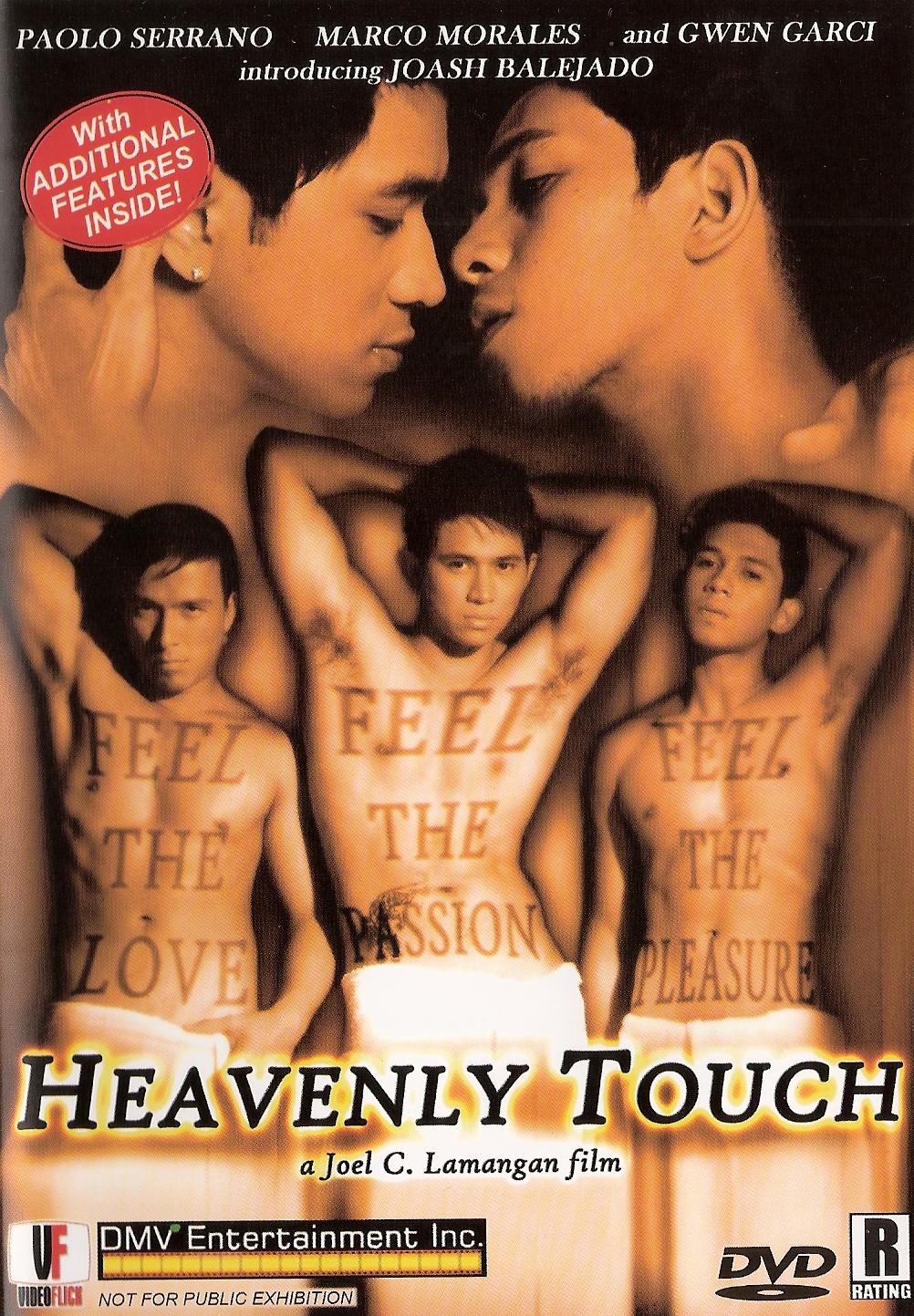
Kay Joel Lamangan (“Walang Kawala,” 2008; “I Luv Dreamguyz,” 2009), ang kanyang mga bading ay mula sa struggling class kung saan ginagamit ang kanilang sekswalidad upang kumita ng pera para mabuhay ang sarili at ang kanilang pamilya. Hanggang ngayon ay pinagpapatuloy pa rin niya ang "legacy" na nasimulan ng "Macho Dancer" (1988) ni Brocka. Nag-iba lang ang kwento, pero iisa pa rin ang kasuotan.


Kay Monti Parungao (“Bayaw,” 2009; “Santuaryo,” 2010), ang kanyang mga bading ay mga "straight" na nakikipagtalik sa kapwa lalaki para lamang makaraos. So, theoretically, hindi sila mga bading. Isa ito sa malaking problema ng kanyang characterizations na hindi lamang offensive sa mga bading, kundi maging sa mga straight na lalaki na pinakikitang hindi nag-iisip kapag tinamaan ng libog sa katawan.
Malayo na ang narating ng kabadingan sa pelikulang Filipino mula nu’ng ‘50s. Hindi na sila maikakahon sa iisang characterization na lamang. Hindi na sila ginagawang sentro ng katatawanan o breather sa pelikula (maliban na lang sa ilang mainstream movies), subalit parte na sila ng istorya. Hindi na sila maituturing na best friend o sidekick lamang ng bida, kundi sa kanila na mismo umiinog ang kwento ng pelikula. (Sa ngayon, sila na ang may best friend sa pelikula--ang fag hags na tinatawag.) May mga stereotyping pa rin paminsan-minsan (tulad na lang ng mga gawi ng karakter ni Manzano sa “In My Life” tulad ng mahinhing hagikgik at malambot na bali ng kamay), subalit kapata-patawad na ito in favor of a good story at maayos na representasyon.
Ang bading sa pelikulang Filipino ay patuloy na nag-e-evolve at nagbabagong-anyo ayon sa pangangailan ng kanyang manonood. Sa katunayan, sa panahong ito, ang mga pelikulang may kwentong kabadingan (directly or indirectly) ang siyang nagpapanatili sa naghihingalong industriya na nagha-highlight kung gaano ka-importante ang mga bading sa komunidad.
-end-
***
If you noticed, I have refused to use the word "bakla". I find such word offensive and derogatory. Ka-level siya ng "fag" o "nigger" sa wikang Ingles para sa 'kin.
Monday, June 21, 2010
Meow! CATS Invaded Manila!

CATS Now and Forever
With Lea Salonga as Grizabella
Music by Andrew Lloyd Webber
Based on “Old Possum’s Book of Practical Cats” by T. S. Eliot
Performances starting July 24
For a strictly limited season
Tanghalang Nicanor Abelardo, CCP
Ticket Prices:
Matinee
SAT (3:00pm)
SUN (2:30pm)
PhP7000 PhP5000 PhP3500 PhP2000 PhP1000
Evenings
TUE, WED, THU (8:00pm)
SUN (7:30pm)
PhP6000 PhP4500 PhP3000 PhP1500 PhP750
Evenings
FRI, SAT (8:00pm)
PhP7000 PhP5000 PhP3500 PhP2000 Php1000
Ticket Prices are exclusive of Ticketworld fees.
SHOW DATES (as of April 2010)
SAT July 24 Matinee
SAT July 24 Evening
SUN July 25 Matinee
SUN July 25 Evening
TUE July 27 Evening
WED July 28 Evening
THU July 29 Evening
FRI July 30 Evening
SAT July 31 Matinee
SAT July 31 Evening
SUN August 1 Matinee
SUN August 1 Evening
TUE August 3 Evening
WED August 4 Evening
THU August 5 Evening
FRI August 6 Evening
SAT August 7 Matinee
SAT August 7 Evening
SUN August 8 Matinee
SUN August 8 Evening
TUE August 10 Evening
WED August 11 Evening
THU August 12 Evening
FRI August 13 Evening
SAT August 14 Matinee
SAT August 14 Evening
SUN August 15 Matinee
SUN August 15 Evening
Friday, May 21, 2010

Friday, May 14, 2010
"Alfie" on Life, Love, & Women
I'd start transferring some of my interesting posts in my old review blog here since I've no way of editing them anymore. The e-mail address I've used to create the said blog has long been deleted by Yahoo! (at the time when deleting e-mail addresses are of their tripping.) Sayang naman kasi kung papabayaan ko na lang when I still receive replies every now and then.
To begin with this project, here's Alfie! (Posted on March 10, 2005.)
 Quoting Alfie...
"Here's my theory: For most women, if a guy's a good provider and generally a nice chap, six-pack abs really aren't a deal-breaker."
*****
For us boys, it's all about the F.B.B. Face. Boobs. Bum.
(For "guys", it's the F.C.B. Face. Chest. Butt.)
*****
It's been said that clothes speak the international language... If you ooze masculinity, like some of us do, you have no reason to fear pink.
(I agree! Pink looks great on men! Just not those tight-fitting ones, please!)
*****
Now, in the cologne department, most men overdo it. My rule: Nothing above the neck, though, I do like a little splash on the Big Ben. You never know where the day will take you.
*****
So she's a tub of lard. The ship's already sailed, so why not make her feel good about herself, right?
*****
When it comes to shagging birds, it's all about: Location. Location. Location.
*****
Live life to the fullest. I require only enough to cover my modest expenses. I've no desire to be the richest stiff in the cemetery.
(Saving though never gets anyone into trouble.)
*****
(Lying-in position, woman on top) I think this might be my favourite position. It gives you the maximum pleasure with minimum exertion.
*****
(When said another thing but did otherwise.) The more details you give, the less interested he'll be.
*****
Compliment from me comes when you least expect it.
*****
Never expect any thanks in this life.
(Otherwise, you're bound for disappointments.)
*****
Now lads, learn from my mistake. Never get involved with a singly mum. See, they come with accessories, some of which can be... unfortunately, irresistible.
*****
It seems to me the problems you worry yourself sick about never seem to materialize. It's the one that catch you unexpectedly on a Wednesday afternoon that knocks you sideways.
*****
Joe: You know, when you're old, you learn to be patient. Used to be I never had time for nothing. Go, go. go. My wife was always hawking me to take a little vacation. Hawaii, Reno. I always said, "Next year, Evie, next year. I got too much on my platter." I always thought I'd have more time. Then one Sunday night, she takes the pot roast out of the oven. Yells, "Soup's on," and slumps to the kitchen floor. Just like that. Dead as disco.
*****
Joe: Two things I learned in life, kid: find someone to love and live everyday as though it were your last.
*****
Second loneliest night of the year: Christmas Eve. A night that brings on all those familiar festive feelings of hopelessness, anguish, despair. Not a good time to be flying solo.
*****
Couples should never split up between Thanksgiving and January 2nd. Always have a relationship to see you through the holidays. Always.
(Here, it's Christmas till Valentine's. Not to mention, birthdays!)
*****
In every doomed relationship, there comes what I like to call "the uh-oh moment." When a certain little something happens and you know you've just witnessed the beginning of the end. And suddenly, you stop and you think: "Uh-oh, iceberg ahead!"
*****
Liz: Underneath all that bravado beats the heart of a guy who's a lot smarter than he thinks he is, but not nearly as cocky as he'd like everybody else to believe.
(The perfect guy!)
*****
Liz: Absinthe makes the heart grow fonder.
(Clever!)
*****
You know you're in trouble when a sight like that can't keep you planted.
*****
When I was a boy at St. Alban's Secondary School, the school took us on this cultural trip to observe art at one of the--one of those big famous London museums. Anyway, when I was there, I came across this statue of a Greek goddess in marble. Aphrodi--Aphrodite, something like that. Beautiful, she was. Perfect female form. Chiseled features. Exquisite. I stood in awe of her. Finally, the teacher calls us all over, and I'm walking past it, and on the way I noticed, in the side of this Greek goddess, all these cracks, chips, imperfections. Ruined her for me. Well, that's Nikki. A beautiful structure... damaged... and in a way you don't notice 'till you get too close. (When you get pass all those imperfections, you're good to go!)
*****
Nikki (While packing): Don't worry, I'm already gone...
*****
Strange. But even when you know it has to end... when it finally does... you always get that inevitable twinge: Have I done the right thing?
*****
Nikki was a showstopper. But as me ugly old Aunt Gladys used to say, "Looks aren't everything." I used to think that was a load of bollocks, but just lately I've been thinking... maybe the old bat had something.
*****
Alfie: I never meant to... I never...
Marlon: You never meant to hurt anyone. But you do, Alfie.
*****
Joe: You don't know what you'll do 'till you really love someone.
*****
Joe: Think before unzipping.
*****
The thing with feelings is that they have this quiet way of sneaking up on you when you least expect it.
*****
Of all the women I've known, the one I let my guard down with delivers the knockout punch. Ironic.
*****
What have I got? Really? Some money in my pocket. Some nice threads. Fancy car at my disposal. And I'm single. Unattached. Free as a bird. I don't depend on nobody. Nobody depends on me. My life's my own. But I don't have peace of mind. And if you don't have it, you've got nothing.
*****
What's it all about?
*****
To begin with this project, here's Alfie! (Posted on March 10, 2005.)
 Quoting Alfie...
"Here's my theory: For most women, if a guy's a good provider and generally a nice chap, six-pack abs really aren't a deal-breaker."
*****
For us boys, it's all about the F.B.B. Face. Boobs. Bum.
(For "guys", it's the F.C.B. Face. Chest. Butt.)
*****
It's been said that clothes speak the international language... If you ooze masculinity, like some of us do, you have no reason to fear pink.
(I agree! Pink looks great on men! Just not those tight-fitting ones, please!)
*****
Now, in the cologne department, most men overdo it. My rule: Nothing above the neck, though, I do like a little splash on the Big Ben. You never know where the day will take you.
*****
So she's a tub of lard. The ship's already sailed, so why not make her feel good about herself, right?
*****
When it comes to shagging birds, it's all about: Location. Location. Location.
*****
Live life to the fullest. I require only enough to cover my modest expenses. I've no desire to be the richest stiff in the cemetery.
(Saving though never gets anyone into trouble.)
*****
(Lying-in position, woman on top) I think this might be my favourite position. It gives you the maximum pleasure with minimum exertion.
*****
(When said another thing but did otherwise.) The more details you give, the less interested he'll be.
*****
Compliment from me comes when you least expect it.
*****
Never expect any thanks in this life.
(Otherwise, you're bound for disappointments.)
*****
Now lads, learn from my mistake. Never get involved with a singly mum. See, they come with accessories, some of which can be... unfortunately, irresistible.
*****
It seems to me the problems you worry yourself sick about never seem to materialize. It's the one that catch you unexpectedly on a Wednesday afternoon that knocks you sideways.
*****
Joe: You know, when you're old, you learn to be patient. Used to be I never had time for nothing. Go, go. go. My wife was always hawking me to take a little vacation. Hawaii, Reno. I always said, "Next year, Evie, next year. I got too much on my platter." I always thought I'd have more time. Then one Sunday night, she takes the pot roast out of the oven. Yells, "Soup's on," and slumps to the kitchen floor. Just like that. Dead as disco.
*****
Joe: Two things I learned in life, kid: find someone to love and live everyday as though it were your last.
*****
Second loneliest night of the year: Christmas Eve. A night that brings on all those familiar festive feelings of hopelessness, anguish, despair. Not a good time to be flying solo.
*****
Couples should never split up between Thanksgiving and January 2nd. Always have a relationship to see you through the holidays. Always.
(Here, it's Christmas till Valentine's. Not to mention, birthdays!)
*****
In every doomed relationship, there comes what I like to call "the uh-oh moment." When a certain little something happens and you know you've just witnessed the beginning of the end. And suddenly, you stop and you think: "Uh-oh, iceberg ahead!"
*****
Liz: Underneath all that bravado beats the heart of a guy who's a lot smarter than he thinks he is, but not nearly as cocky as he'd like everybody else to believe.
(The perfect guy!)
*****
Liz: Absinthe makes the heart grow fonder.
(Clever!)
*****
You know you're in trouble when a sight like that can't keep you planted.
*****
When I was a boy at St. Alban's Secondary School, the school took us on this cultural trip to observe art at one of the--one of those big famous London museums. Anyway, when I was there, I came across this statue of a Greek goddess in marble. Aphrodi--Aphrodite, something like that. Beautiful, she was. Perfect female form. Chiseled features. Exquisite. I stood in awe of her. Finally, the teacher calls us all over, and I'm walking past it, and on the way I noticed, in the side of this Greek goddess, all these cracks, chips, imperfections. Ruined her for me. Well, that's Nikki. A beautiful structure... damaged... and in a way you don't notice 'till you get too close. (When you get pass all those imperfections, you're good to go!)
*****
Nikki (While packing): Don't worry, I'm already gone...
*****
Strange. But even when you know it has to end... when it finally does... you always get that inevitable twinge: Have I done the right thing?
*****
Nikki was a showstopper. But as me ugly old Aunt Gladys used to say, "Looks aren't everything." I used to think that was a load of bollocks, but just lately I've been thinking... maybe the old bat had something.
*****
Alfie: I never meant to... I never...
Marlon: You never meant to hurt anyone. But you do, Alfie.
*****
Joe: You don't know what you'll do 'till you really love someone.
*****
Joe: Think before unzipping.
*****
The thing with feelings is that they have this quiet way of sneaking up on you when you least expect it.
*****
Of all the women I've known, the one I let my guard down with delivers the knockout punch. Ironic.
*****
What have I got? Really? Some money in my pocket. Some nice threads. Fancy car at my disposal. And I'm single. Unattached. Free as a bird. I don't depend on nobody. Nobody depends on me. My life's my own. But I don't have peace of mind. And if you don't have it, you've got nothing.
*****
What's it all about?
*****
Monday, May 10, 2010
Madonna From New Zealand With Special Guest!
A few weeks back, Madonna arrived from the US. This time she emerges from New Zealand!
 They are mostly secondhand LPs that are quite cheap in New Zealand comparing from how steep they are being sold here.
 Madonna: The Confessions Tour on single-disc DVD! I am wondering whether Sticky & Sweet Tour was also released in this format.
 Express Yourself 3" Single
 True Blue (Limited Edition Blue Vinyl Pressing)

 Music (Picture Vinyl Single)


 I couldn't play the two VHS tapes for they are in PAL format. My player can only play NTSC.
Madonna: The Girlie Show book. This is not the tour book itself, but rather a (re-worked) pictorial book based from the tour. It includes text from Madonna re the tour and an exclusive CD with three live tracks -- Why's It So Hard; In This Life, and; Like a Virgin!
I so love this book!


 Once I get more funds, my next project are the tour books! However, I'm open for donation. :-)
 Super thanks, Biboy!
 They are mostly secondhand LPs that are quite cheap in New Zealand comparing from how steep they are being sold here.
 Madonna: The Confessions Tour on single-disc DVD! I am wondering whether Sticky & Sweet Tour was also released in this format.
 Express Yourself 3" Single
 True Blue (Limited Edition Blue Vinyl Pressing)
 Music (Picture Vinyl Single)


 I couldn't play the two VHS tapes for they are in PAL format. My player can only play NTSC.
Madonna: The Girlie Show book. This is not the tour book itself, but rather a (re-worked) pictorial book based from the tour. It includes text from Madonna re the tour and an exclusive CD with three live tracks -- Why's It So Hard; In This Life, and; Like a Virgin!
I so love this book!


 Once I get more funds, my next project are the tour books! However, I'm open for donation. :-)
If Madonna from the US brought the Megastar with her, Madonna from New Zealand had Barbra! All on vinyls.
 Super thanks, Biboy!
Subscribe to:
Posts (Atom)